
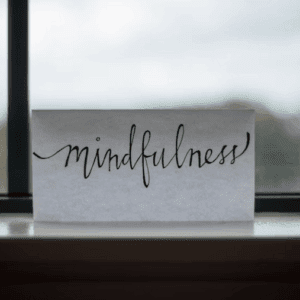
Mindfulness vs. Meditation: What’s the Difference and Why It Matters
Mindfulness and meditation are often used interchangeably. That’s understandable. They’re closely related and often practiced together. But they are not the same thing. Knowing the difference matters, especially if you’re trying to build better mental habits. Each serves a unique purpose. Each offers different benefits. And depending on your goals, one may suit you more than the other. Understanding why meditation goes beyond just relaxation can help clarify how these practices support deeper mental and emotional growth.
What Is Meditation?
Meditation is a formal practice. It usually involves setting aside time to focus your attention. You might sit in silence and observe your breath. You might repeat a mantra or follow a guided session. The goal is to train the mind. This could mean developing concentration, cultivating calm, or simply learning to observe thoughts without reacting. Meditation is typically done in a quiet setting. It requires intention, structure, and consistency.
What Is Mindfulness?

Mindfulness is broader. It’s not limited to sitting still. It’s the act of paying full attention to the present moment, without judgment. You can be mindful while walking, eating, or washing dishes. Mindfulness is a way of being, not just something you do. It’s about noticing your thoughts, sensations, and surroundings as they are. Practicing mindfulness means you’re aware of where your mind is instead of running on autopilot.
How They Work Together
Meditation often trains mindfulness. For example, in breath-focused meditation, you practice noticing the inhale and the exhale. When your mind drifts, you gently bring it back. That’s mindfulness in action. Over time, this ability to notice and return carries over into everyday life. You become more aware during conversations, meals, or moments of stress. In that sense, meditation is a tool. Mindfulness is the result. But mindfulness can also be practiced on its own, without formal meditation.
Why the Distinction Matters
Understanding the difference helps you set the right expectations. If you think mindfulness means sitting in silence every day, you might feel discouraged. On the other hand, if you confuse meditation with simply “being present,” you may miss the depth of structured practice. Some people find mindfulness more accessible in daily routines. Others prefer the quiet focus of formal meditation. Both paths are valid, but knowing which you’re doing helps ensure more effective results.
The Benefits of Meditation and Mindfulness

Meditation is linked to long-term changes in the brain. Regular practice can increase gray matter in areas related to memory, emotional control, and decision-making. It also helps lower activity in the stress centers of the brain. Mindfulness, when woven into daily life, reduces reactivity and increases awareness. It supports better communication, deeper listening, and more intentional behavior. Together, they offer a complete system for building mental clarity and emotional resilience.
Between the Two Options
You don’t have to pick one or the other. Many people start with mindfulness, simply paying attention to how they feel during daily activities. Others begin with meditation to create a stable foundation. The key is to stay consistent. If you find it easier to stay mindful during walks than during seated meditation, that’s fine. The goal is awareness. Whether through meditation or mindful living, the process strengthens attention and reduces mental clutter. With time, you’ll find what fits your needs.
The terms may overlap, but the practices serve different functions. Mindfulness is how you show up for your life. Meditation is how you train your mind to do that better. Together, they form a powerful combination. For those seeking calm, clarity, or emotional balance, understanding the difference is the first step.…
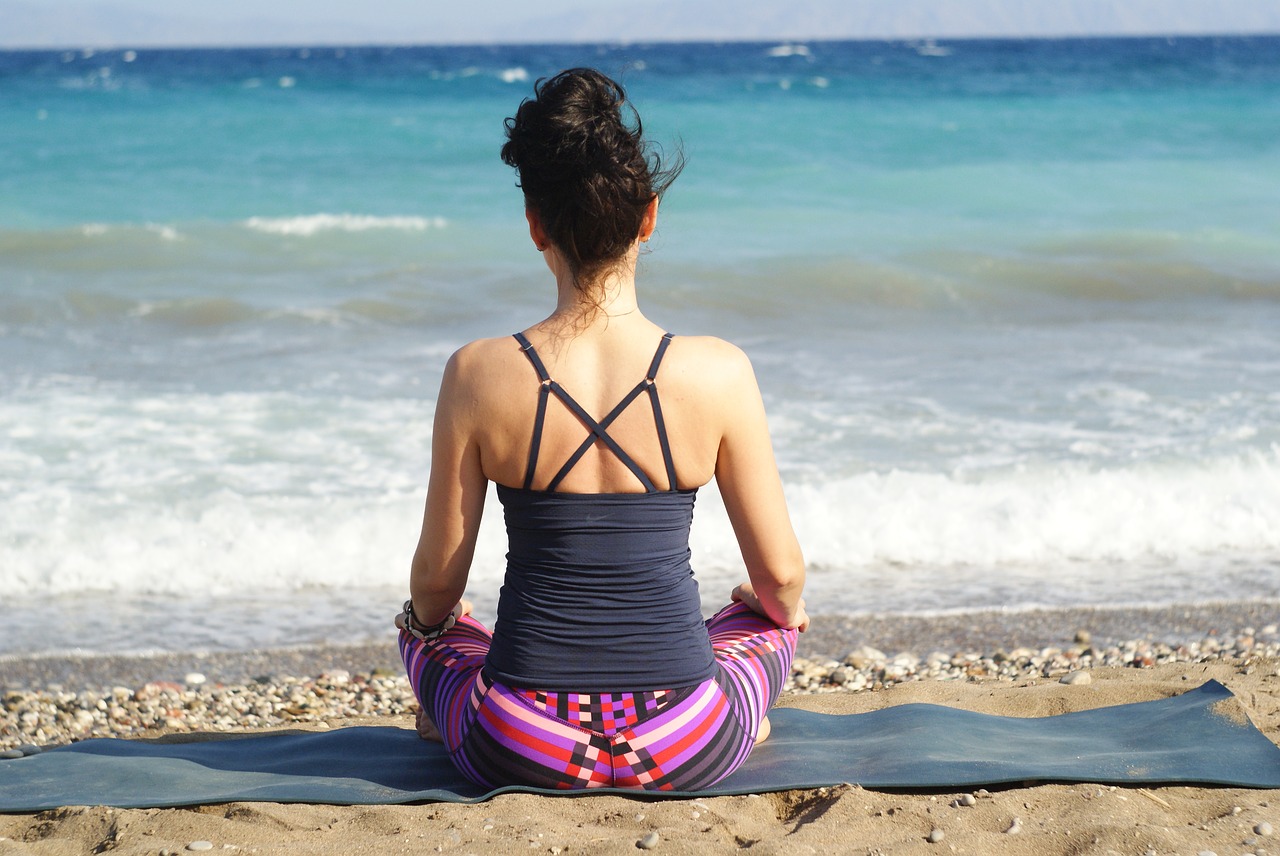
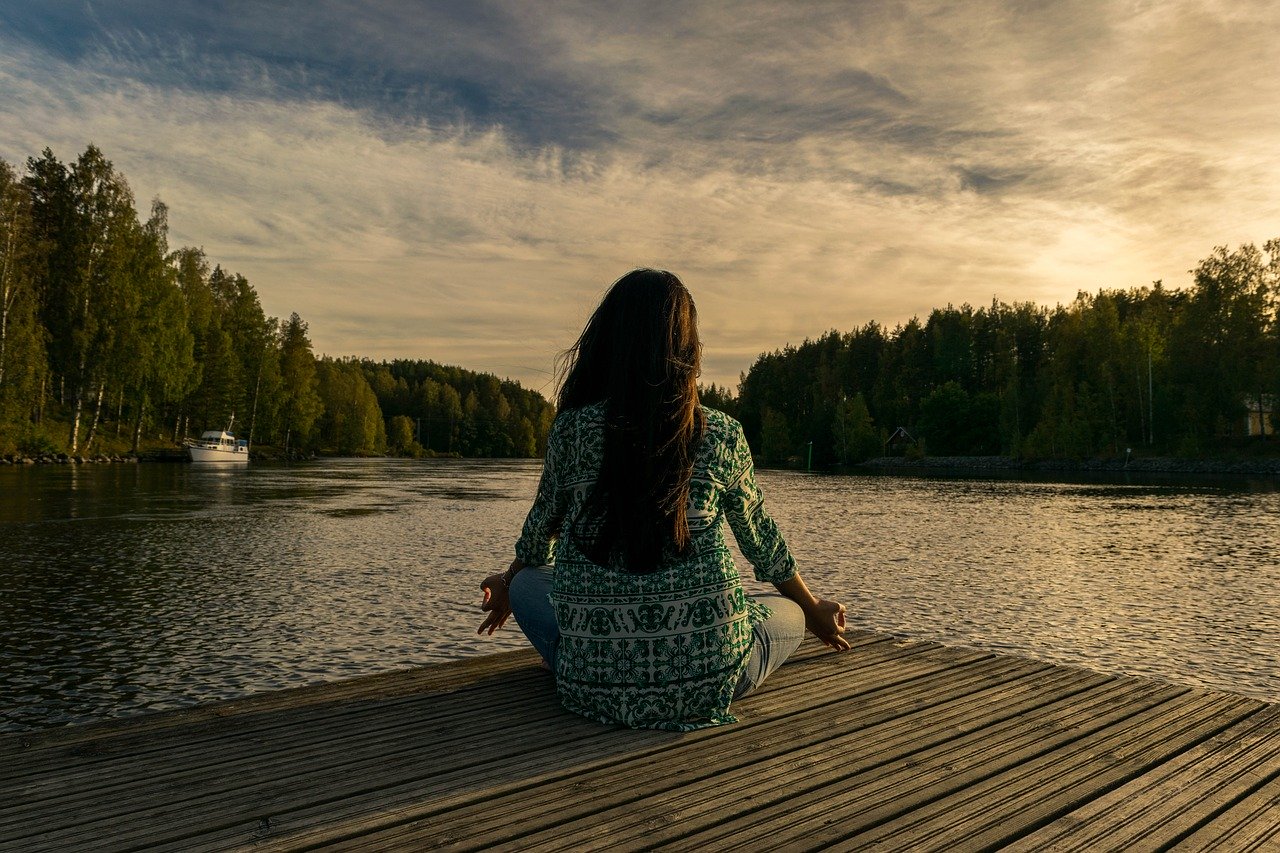
 You might find it helpful to perform some meditation practice before or after you work out if you are trying to reduce your stress levels. A 2017 research on adults revealed that walking is effective in reducing symptoms of stress when coupled with meditation. The participants showed the most important changes in their stress levels before walking meditated or walked before meditating.